
Silicon Valley: The days after the election
16.11.2016
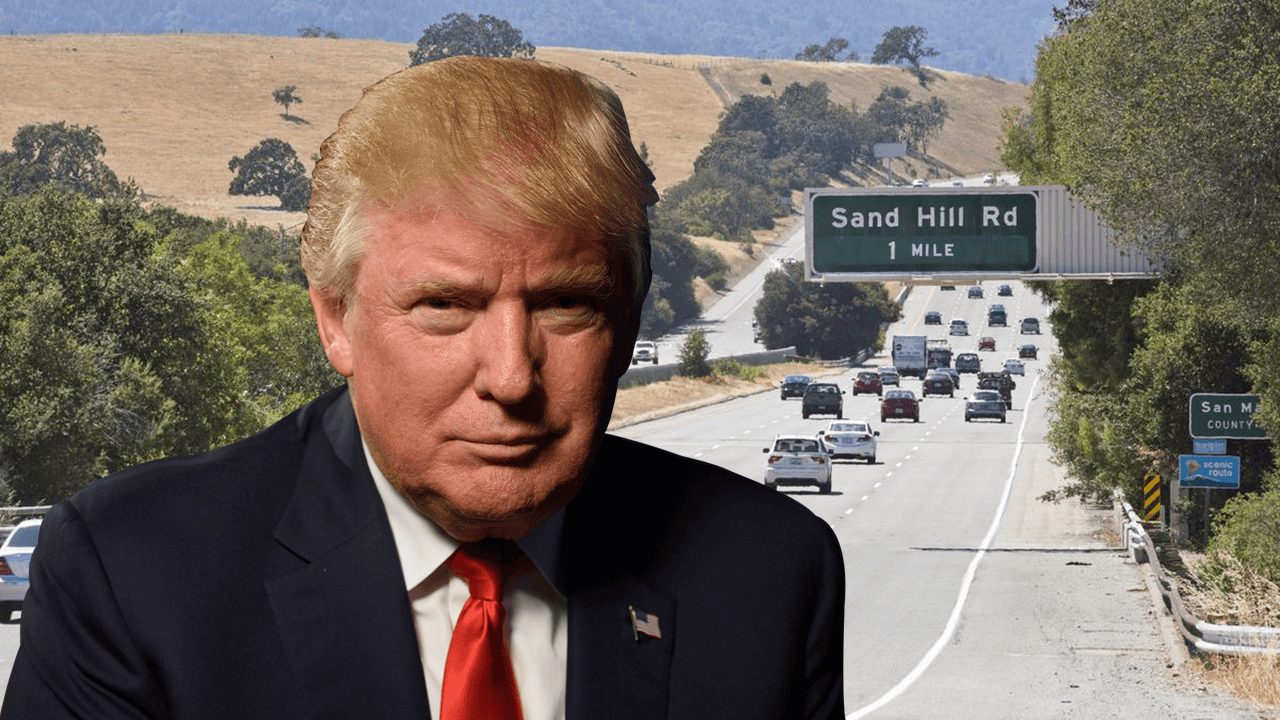
In the run-up to the US presidential election, most tech leaders in Silicon Valley spoke out in favor of Democratic candidate Hillary Clinton, with only Trump supporter Peter Thiel largely alone in the hallway. Early in the evening it still looked like a safe bet: Nate Silver predicted Hillary's victory with a probability of over 80%, and the Republican election party here in San Francisco, which I briefly stopped by, was very sparsely attended at 6:30 p.m. with a maximum of 50 guests.
Instagram Beitrag ansehen
Shock on election night
I watched the election evening in a coworking space among a bunch of entrepreneurs. The relaxed atmosphere soon became very tense when, with more and more electoral votes for Trump, the forecasts suddenly changed - to the wrong side for everyone present. Incredulous looks and shocked faces everywhere, some tried gallows humor and others announced that they would emigrate soon. The tech leaders were up in arms on Twitter; for example, an initiative for a Calexit was announced, i.e. the exit of the state of California, after all the fifth largest economy in the world, from the United States.
Instagram Beitrag ansehen
Even on Wednesday, the shock had not yet been digested that the unthinkable had actually happened. Although everyone pretends to be business as usual, every conversation only revolves around a single topic. Meetings with business angels and potential partners take place, but the pitch deck is at most secondary.
What does President Trump mean for Silicon Valley?
People here in the San Francisco Bay Area are traditionally very liberal and extremely believers in progress: the world can be improved through technology. A President Trump who, among other things, said during the election campaign that he wanted a “red button” for the Internet so that he could “switch it off” comes along at an extremely inconvenient time. Such a power-off button is of course unrealistic, but it proves that the president-elect - in contrast to Hillary Clinton - doesn't understand much about the digital world. This creates real insecurities.
Trump wants to terminate free trade agreements or stop ongoing negotiations, and American companies should be forced to produce in the USA. The example of Apple was passed around in the media, which may soon have to manufacture its iPhones and PCs here again. But the consequences can also be drastic for small startups: many young companies have their hardware manufactured relatively cheaply in one of the clusters in the Far East by taking advantage of the global division of labor. Development and design is in Silicon Valley, production is carried out by Hardware specialists in Shenzhen If they were now forced to produce in the USA, they would have to rebuild the aggregated knowledge, production lines, etc. - a practically impossible undertaking.
Instagram Beitrag ansehen
Trump's focus on fossil fuels, for example, is perceived as a huge step backwards. What this means for all the cleantech startups is completely unclear. This list could be continued for a long time. The problem is that it is still completely unclear what Trump will actually do as president. This creates great uncertainty, which is poisonous for investments. At the moment, almost everyone here assumes that a recession is imminent and that the climate for startups will continue to cool down, meaning that financing rounds and valuations will shrink.
The bubble has burst
One thing has already changed: Many tech leaders have been brutally shown that they lived in a huge bubble and no longer felt the pulse of the country at all; they were kind of rock stars of the tech industry. CEOs have realized that they may not be solving the problems that concern most Americans, but rather solving their own. Who wants to buy a self-driving car when they can't even afford a normal one? In the near future, the focus of many entrepreneurs is likely to shift.
The debate about fake news on platforms like Facebook has already reached Europe. It will be discussed which strategies are effective against deliberate misinformation. Do journalists have to be hired to check the truth of posts, or can algorithms take over this job too? This is a discussion that doesn't really fit in Silicon Valley; after all, every problem here can be solved with technology and data. It remains exciting.